Cockroach Control in Dubai
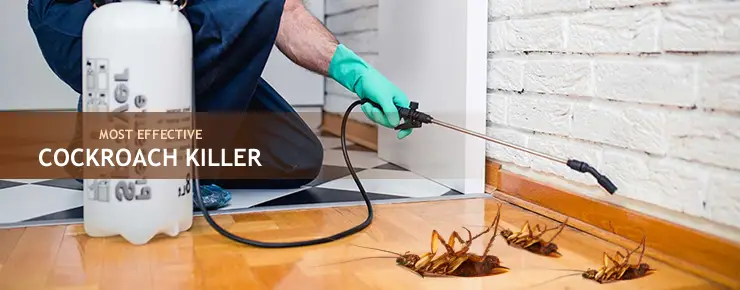
What causes cockroach infestation?
Cockroach infestations usually start due to easy access to food, moisture, and warmth. In Dubai, kitchens, bathrooms, and storage areas provide the perfect environment for cockroaches to survive and reproduce.
Common causes include uncovered food, leaking pipes, clutter, unsealed drains, and grocery items or cartons brought from outside.
How cockroaches enter kitchens
Cockroaches enter kitchens mainly in search of food, water, and warmth. In apartments and villas, they usually travel through interconnected spaces that are not visible to homeowners.
The most common entry point is the drainage system. Cockroaches can climb through sink and floor drains, especially when pipes are damp or poorly sealed. Cracks in walls, gaps behind cabinets, and openings around water pipes also allow cockroaches to move freely into kitchen areas.
Electrical sockets, switch boxes, and small gaps under doors provide additional hidden access points. In multi-unit buildings, cockroaches often move between apartments through shared plumbing and wall cavities.
Cockroaches are also frequently brought inside unknowingly. They can hide in grocery bags, food delivery boxes, cardboard cartons, and used appliances such as microwaves or refrigerators. Eggs carried on packaging materials may hatch days later, leading to a sudden infestation.
Once inside the kitchen, cockroaches prefer dark, warm, and moist areas. Common hiding spots include behind kitchen cabinets, under sinks, inside drawers, behind refrigerators, and near cooking appliances where heat and food residue are present.
Signs you have a cockroach problem
Cockroaches are mostly active at night, so visible signs usually indicate that an infestation has already developed. Even small indicators should not be ignored.
- Seeing live cockroaches at night or when lights are suddenly turned on, especially in kitchens or bathrooms
- Small black or brown droppings near cabinets, drawers, behind appliances, or along wall edges
- An unpleasant oily, musty, or stale odor caused by cockroach secretions, which becomes stronger as the infestation grows
- Egg cases (ootheca) found in hidden corners, cracks, cupboards, or behind kitchen equipment
- Smear marks or brown stains along walls and surfaces where cockroaches frequently travel
In many cases, seeing even a single cockroach during the day suggests a larger hidden colony nearby, as daytime activity usually occurs when nesting areas are overcrowded.
Our treatment process (step by step)
We don’t just spray and leave. Our cockroach control process is designed to locate the source, eliminate the infestation, and prevent it from returning.
- Detailed inspection – Our technician carefully inspects the kitchen, drainage lines, cabinets, and hidden spaces to identify cockroach activity and nesting areas.
- Species identification – Different cockroaches require different solutions. We identify the species and assess the infestation level to choose the most effective treatment method.
- Targeted treatment application – We apply professional gel baits, residual sprays, or combination treatments directly to active zones where cockroaches feed and hide.
- Entry point control – Cracks, cabinet joints, pipe gaps, and access points are treated to block movement and stop reinfestation.
- Follow-up & monitoring – If required, a follow-up visit is scheduled to ensure the colony is fully eliminated and activity does not return.
Our professional-grade products are designed to reach nests and breeding zones, allowing cockroaches to carry the treatment back to the colony for complete elimination.
Safety & precautions
Your safety is our priority. All cockroach control treatments are performed according to approved safety standards using products intended for residential and commercial environments.
Gel bait treatments are odorless, low-impact, and applied only in targeted areas that are not easily accessible to children or pets. When applied by trained professionals, these treatments are safe and highly effective.
As a precaution, we recommend keeping food items covered, storing utensils properly, and avoiding direct contact with treated surfaces until they are fully dry. Our technician will provide clear guidance before leaving the site.
After-treatment care
Proper after-treatment care plays a key role in ensuring the effectiveness of the cockroach control service and preventing future infestations.
- Avoid cleaning or wiping treated areas for at least 24 hours to allow the treatment to work effectively
- Keep the kitchen clean, dry, and free from food residue that may attract cockroaches
- Seal cracks, gaps, and cabinet openings, and repair any water leaks to remove access to moisture
- Dispose of garbage daily and avoid leaving food waste uncovered overnight
Following these simple steps helps maintain long-lasting results and significantly reduces the risk of reinfestation. Our team will advise if additional follow-up treatment is recommended.

Frequently Asked Questions About Cockroaches
Cockroaches are attracted not only to food but also to moisture and warmth. Even clean kitchens can have hidden leaks, damp drains, or heat behind appliances that allow cockroaches to survive and multiply.
Yes. Cockroaches are nocturnal and usually hide during the day. Seeing even one cockroach often indicates a larger hidden infestation nearby, especially behind cabinets, appliances, or inside walls.
Most cockroach control treatments take between 30 to 45 minutes, depending on the size of the kitchen and the severity of the infestation.
Yes. When applied by trained professionals, treatments such as gel bait and targeted spraying are safe. Precautions like keeping food covered and avoiding treated areas until dry should be followed.
Proper treatment combined with good hygiene and after-care significantly reduces reinfestation. However, severe infestations or shared buildings may require follow-up treatments.
Activity usually reduces within 24 to 72 hours as cockroaches come into contact with treated areas and carry the bait back to their nests.
Yes. Drains are one of the most common entry points, especially in apartments. Cockroaches can travel through pipes and emerge into kitchens if drains are not properly sealed.
No. Treated areas should not be cleaned for at least 24 hours to allow the treatment to work effectively. Normal cleaning can resume afterward.
Some eggs may hatch after treatment, which is why professional treatments target breeding zones and may include follow-up visits to fully eliminate the infestation.
Yes. Small infestations can grow rapidly if left untreated. Early professional intervention prevents spread, health risks, and higher treatment costs later.


